How To Unclog A Toilet
Plumbing
It may sound like a simple task, but there is a right way to unclog a toilet. Once you have discovered that the water in the toilet bowl is not draining like it should, it's time to go to work. In a few simple steps, you should have your toilet back to working like it should. The first thing to do is avoid having the toilet overflow onto the bathroom floor. To prevent this, remove the top of the tank and find the flap valve that controls water flow from the tank to the bowl. When you flush, this valve stays open to allow the bowl to refill. Be prepared to reach down and flip it shut when you do a test flush to see if the clog is gone. This will prevent water from overflowing the bowl and getting all over the floor.
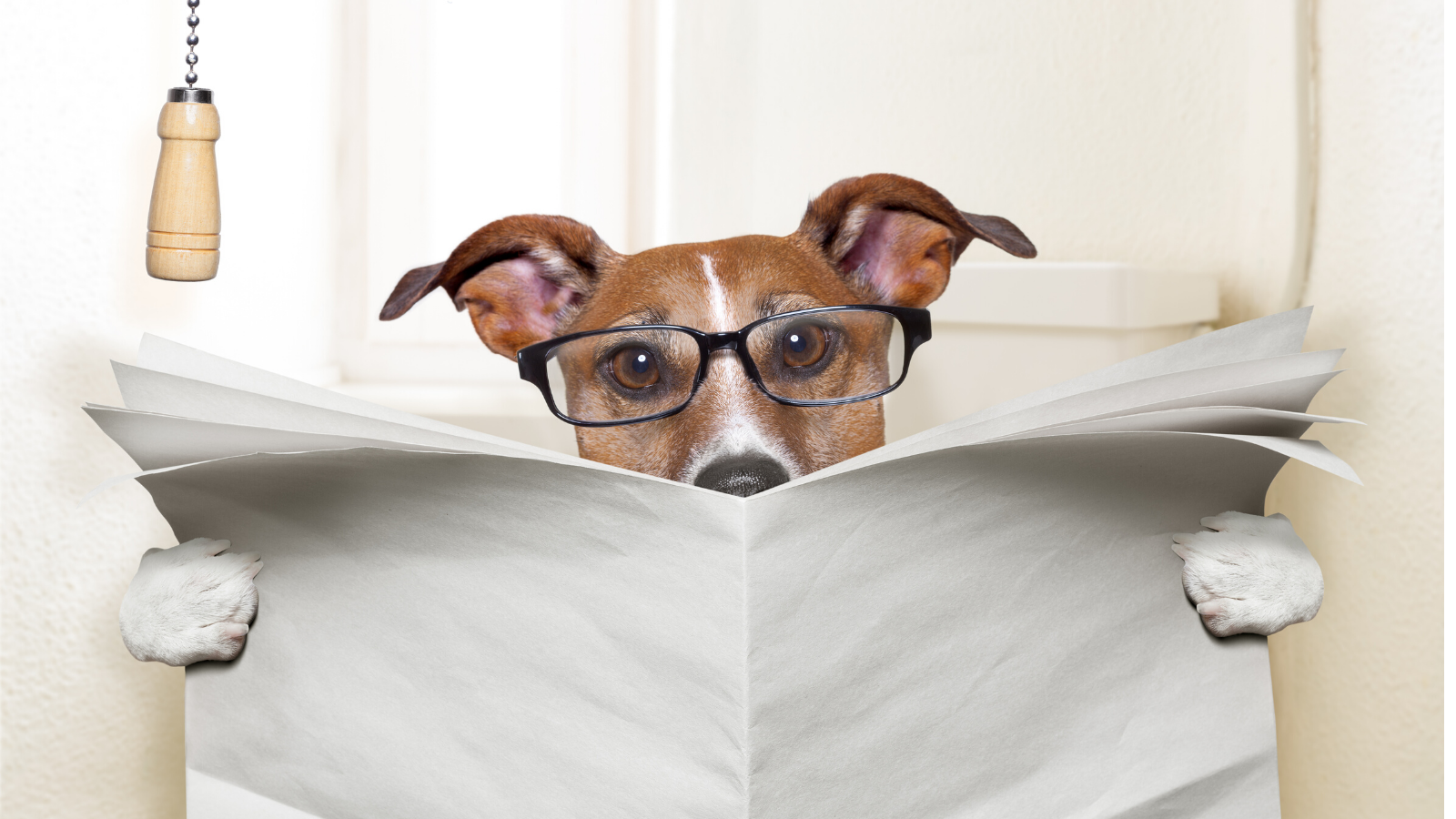
It may sound like a simple task, but there is a right way to unclog a toilet....
Read More
Is my air conditioning making my allergies worse?
Allergy Symptoms HVAC Filter
Is my HVAC system making my allergies worse? That's the question many people ask in the spring and fall when they start using their heat and air conditioning more regularly. Whether your HVAC system is a friend or foe in the allergy battle depends on how well the system is maintained. Dust, pollen and mold are the main offenders for people suffering with allergies. If they are already in the air, your HVAC system is just going to blow them around and keep you miserable unless you take some steps to break the cycle. Step one: Using proper filters. Cheap air filters are designed to protect the equipment from being damaged by large large pieces of dirt and debris, not to keep you from sneezing. To get any health benefits from your filters, you have to make sure that you have the right kind. What you need are HEPA filters. HEPA stands for High Efficiency Particulate AIr, and filters over 99 percent of particles from the air. Dust, pollen, mold, pet dander, dirt and everything else floating in the air is trapped in them before it gets to your lungs. This filters are assigned a MERV rating, which stands for Minimum Efficiency Reporting Value. The higher the MERV, the better the filter. Allergy sufferers generally need a MERV rating of at least 10 for the filter to be effective. The filters need to be changed at a minimum of every two months, more often if allergies are severe.
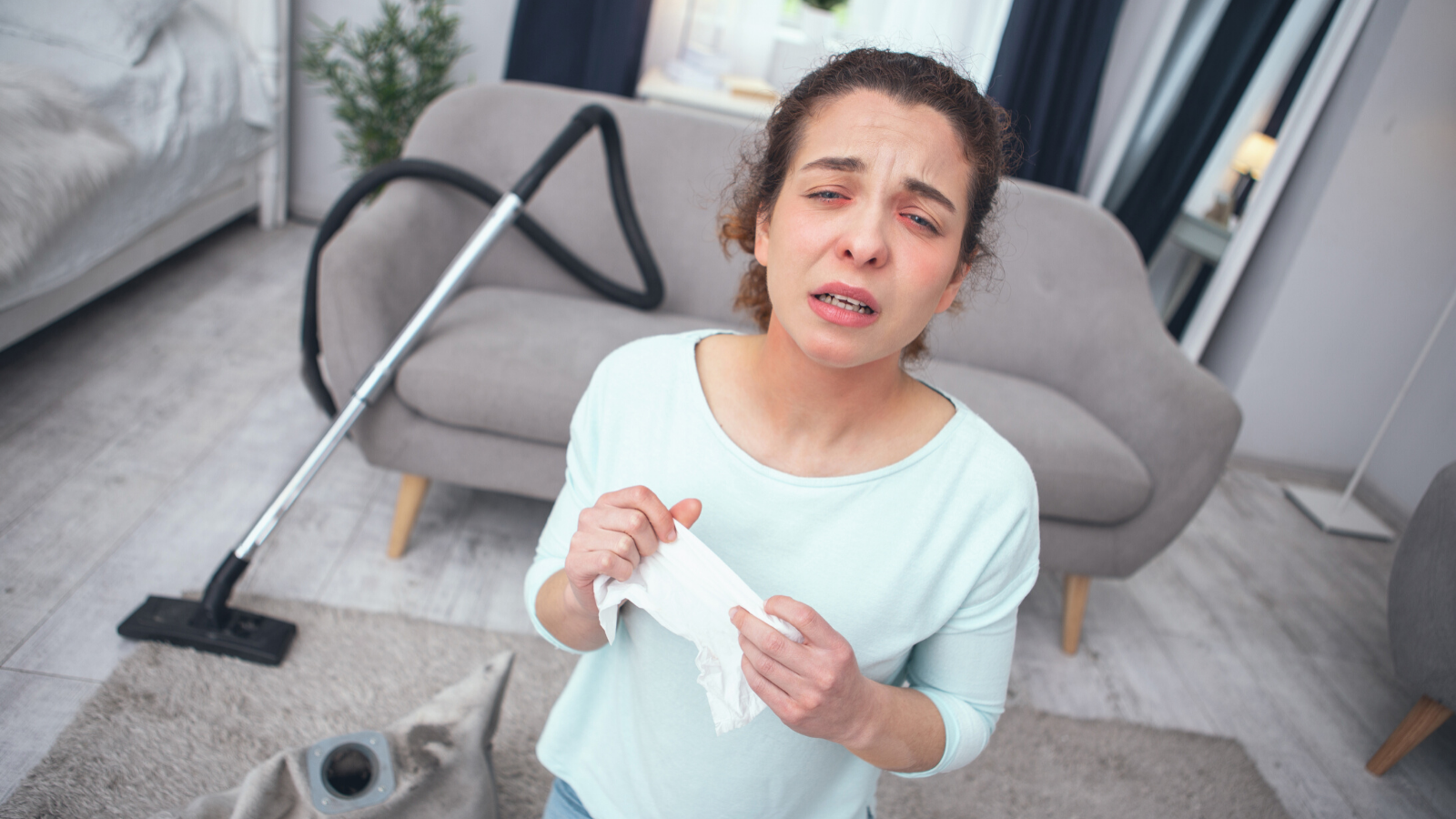
Is my HVAC system making my allergies worse? That's the question many people...
Read More
My Home is Muggy
indoor air quality HVAC Humidity
Why does my house feel muggy?
Why does my house feel muggy?
Read More
The air doesn’t seem to come out of the register like it should….
air conditioning HVAC
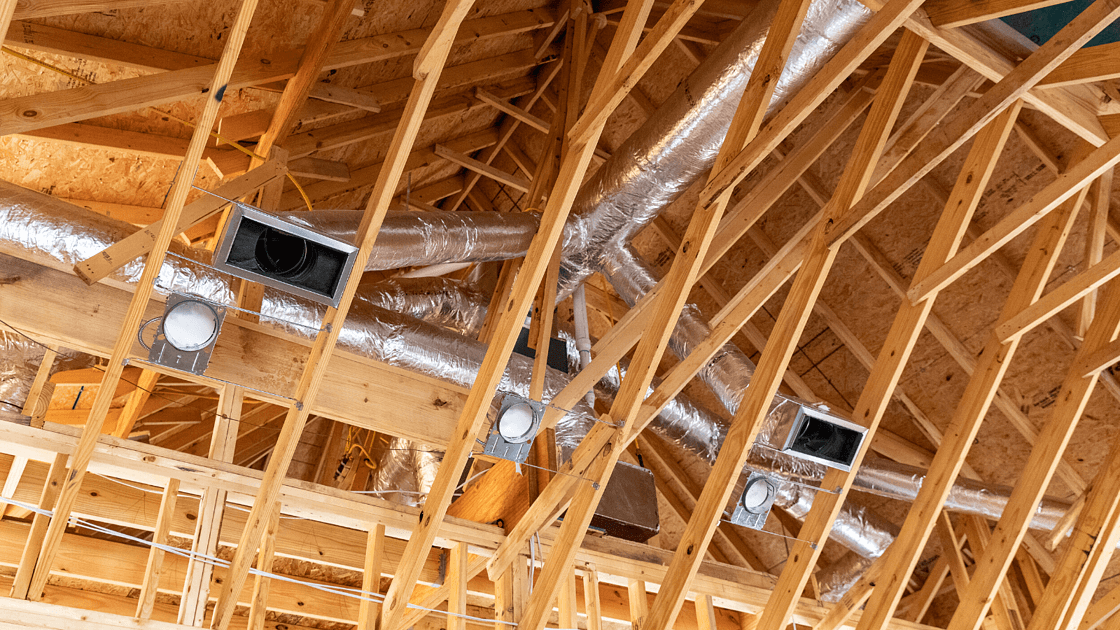
Low air flow out of your HVAC ducts can be frustrating, especially if you are uncomfortably hot or cold. If the air is not flowing like it should in your home, there are a number of possibilities. Clogged air filters: Filters are designed to be part of the overall air flow process. If they are clogged because they haven't been changed, they will block air flow. Not only will this hold back your much desired warm or cold air, it could eventually cause damage to your HVAC system by causing components to work harder until they fail. In general, filters need to be changed every 60 days. It should happen more often in homes with a high number of pets or in an otherwise dusty or dirty environment. Too much air filter: Filters come with a MERV rating for their efficiency from 1 to 16, with the higher numbers being more efficient. If you buy filters that are in the 15 or 16 range, they will hold back air while filtering it strongly. If you suffer from allergies or other health problems, you may be willing to trade a stronger filter for less air flow. However, if you don't need a strong filter, climbing back down the filter scale will allow more air flow.
Low air flow out of your HVAC ducts can be frustrating, especially if you are...
Read More
Why don't I have enough hot water?
Plumbing Tankless Water Heater
Why don't I have enough hot water?
Why don't I have enough hot water?
Read More
Is that musty smell in my house unhealthy?
indoor air quality mold Smell HVAC
Will I get sick from a musty smell in my house? It depends on what's causing the smell. Most musty smells come from household mold, which grows in dark places with little ventilation and high humidity. That's why houses that have been shut up for a long time end up smelling musty. The mold you can smell is harmless in most cases, but if it's particularly strong, it's a good idea to get it tested by an HVAC professional. The Geiler Company can help.

Will I get sick from a musty smell in my house? It depends on what's causing...
Read More
Does heat or dry air cause nosebleeds?
HVAC Humidifier Humidity
Are nosebleeds caused by heat? They can be. Unless there is an underlying health issue like high blood pressure, most minor nosebleeds happen when the blood vessels near the surface at the front of the nose break. This can happen because the skin inside the nose on the septum (the part that separates the nostrils) gets dry and cracks. Many times, this dryness is made worse by the heat source in your home which tends to dry out the air. Lower humidity means more frequent nosebleeds for people who are prone to get them. Other causes of the dry nasal passages that lead to nosebleeds include using an antihistamine or decongestant and frequent nose-blowing. The sudden increase in pressure when blowing the nose can rupture the blood vessels in the septum. The problem can be easily solved by placing a humidifier in the room or rooms where the person getting the nosebleed spends most of their time. Usually that's in the sleeping area and in the common areas of the home. The Geiler Company carries a full line of humidifiers for every type of home. Another solution is to put a small amount of petroleum jelly on the septum area of the nose to keep the area moist and covered. If nosebleeds persist after taking these measures or they become serious, it's time to see a doctor. As mentioned above, high blood pressure can cause nosebleeds, as can bleeding or clotting disorders. If you do get a nosebleed, get something like a cloth or tissue to block the blood from leaving the nose, sit up or stand and lean your head forward. Pinch your nostrils together at the top of your nose and hold them closed for ten minutes. The pressure will stop the bleeding, so resist the temptation to stop pinching your nostrils too soon to see if the bleeding has stopped. If the bleeding won't stop, seek medical attention. After you've stopped the nosebleed, don't strain yourself (which raises blood pressure) and try not to blow your nose for 24 hours.

Are nosebleeds caused by heat? They can be. Unless there is an underlying...
Read More
Does it make sense to insulate my furnace ducts?
furnace
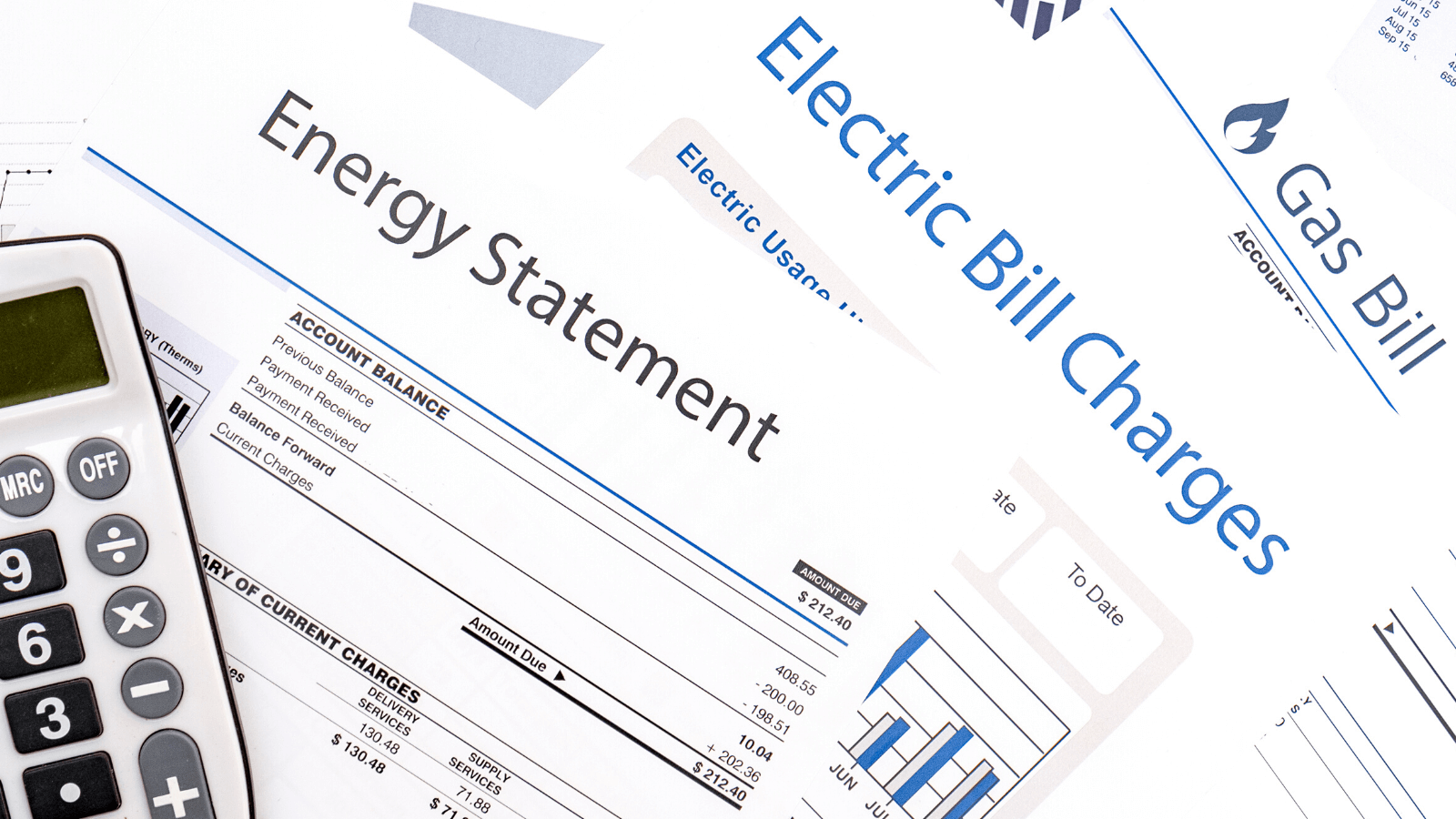
Should I insulate my furnace ducts? Yes, you should. Insulating your furnace ducts will help your furnace transport heated air more efficiently throughout your home. Better heating capacity means the furnace will run less, which will save you money on electricity and other energy costs. Leaking duct work can send heated air into crawl spaces under your home or into your attic instead of where you want it. To keep this from happening, you will have to do a little detective work to check for leaks. Get to where the duct work is and check for sections that should be together but have separated over time and also check for holes. While the system is running, slowly move your hand over the duct work to see if you feel any air escaping. If you do, mark the area with a pen or tape. Once you have found areas that you can seal off yourself, make sure you use duct mastic or other sealants that are approved for heat. Regular duct tape will not last long enough to make it worth using. Professionals should also take a look at unconditioned spaces to make sure everything is working properly once you finish your minor repairs. If you come across large gaps in your duct work or a number of holes, it's time to call in a professional. Once a system reaches a certain age, it becomes safer and more cost effective in the long run to replace it rather than be on the constant lookout for more minor leaks. The Geiler Company can inspect your home and come up with the best solution for you based on the age of the system in your home, your square footage and other factors. Call us at 513-574-0025 or Send a TEXT for a fast and professional estimate so you can get the most out of your home heating system for years to come.
Should I insulate my furnace ducts? Yes, you should. Insulating your furnace...
Read More
What is that hissing sound coming from my toilet?
Plumbing
Why do I hear a hissing sound from my toilet? It's because water or air is moving through your water line into your toilet tank. Let's talk about water first, which is usually an easy fix once you find the problem. Toilets have what's called a refill valve. It controls how much water goes back into the tank after you flush. If the refill valve is not working properly, you can end up with too little or too much water after each flush. A hissing sound can mean that the refill valve is still letting a tiny bit of water into the tank because it hasn't shut off like it's designed to. The valve shuts off automatically based on the water level in the tank. A faulty valve or one not set properly will keep running. When you hear the hissing sound, take the lid off your toilet tank. The first thing to check is to see if water is running down the overflow pipe. If it is, your refill valve is not shutting off when the tank is full. That means that water is constantly going down the refill tank and running up your water bill.
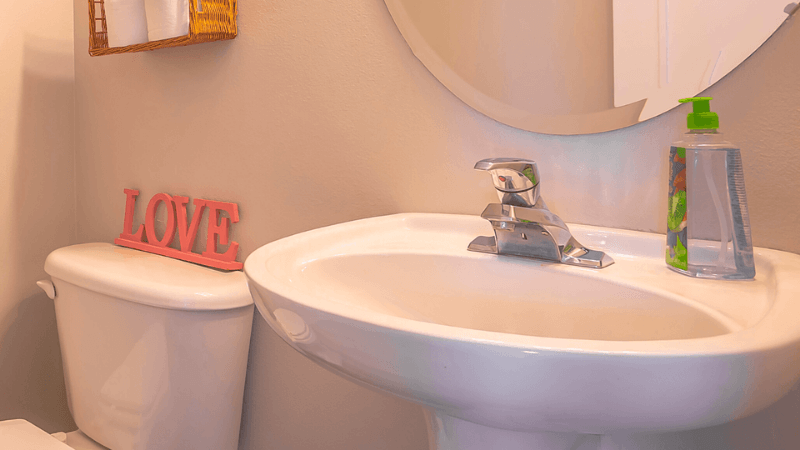
Why do I hear a hissing sound from my toilet? It's because water or air is...
Read More
What is measured in a water quality test?
water Smell Water Quality Hard Water Rotten Egg Smell
What is measured in a water quality test? A lot of things. Water quality tests are important in a number of ways. The Environmental Protection Agency has minimum standards for drinking water that must be met at every step of the process. That starts at the water source, extends through the water processing plant and delivery system to your home. State and local regulations also apply to water quality. So what is measured when determining water quality? New homes and existing wells are tested for the presence of coliform bacteria, which is very important. The best known coliform to many people is e. coli, which can make you very sick. Your water should test negative for coliform. There are a number of other properties to test when determining water quality.

What is measured in a water quality test? A lot of things. Water quality tests...
Read More