Indoor Air Quality and Allergies
indoor air quality Allergy Symptoms pollution
If you think allergies are all about the pollen outside, think again. Indoor air quality can have as much to do with allergies and respiratory health as allergy season itself.
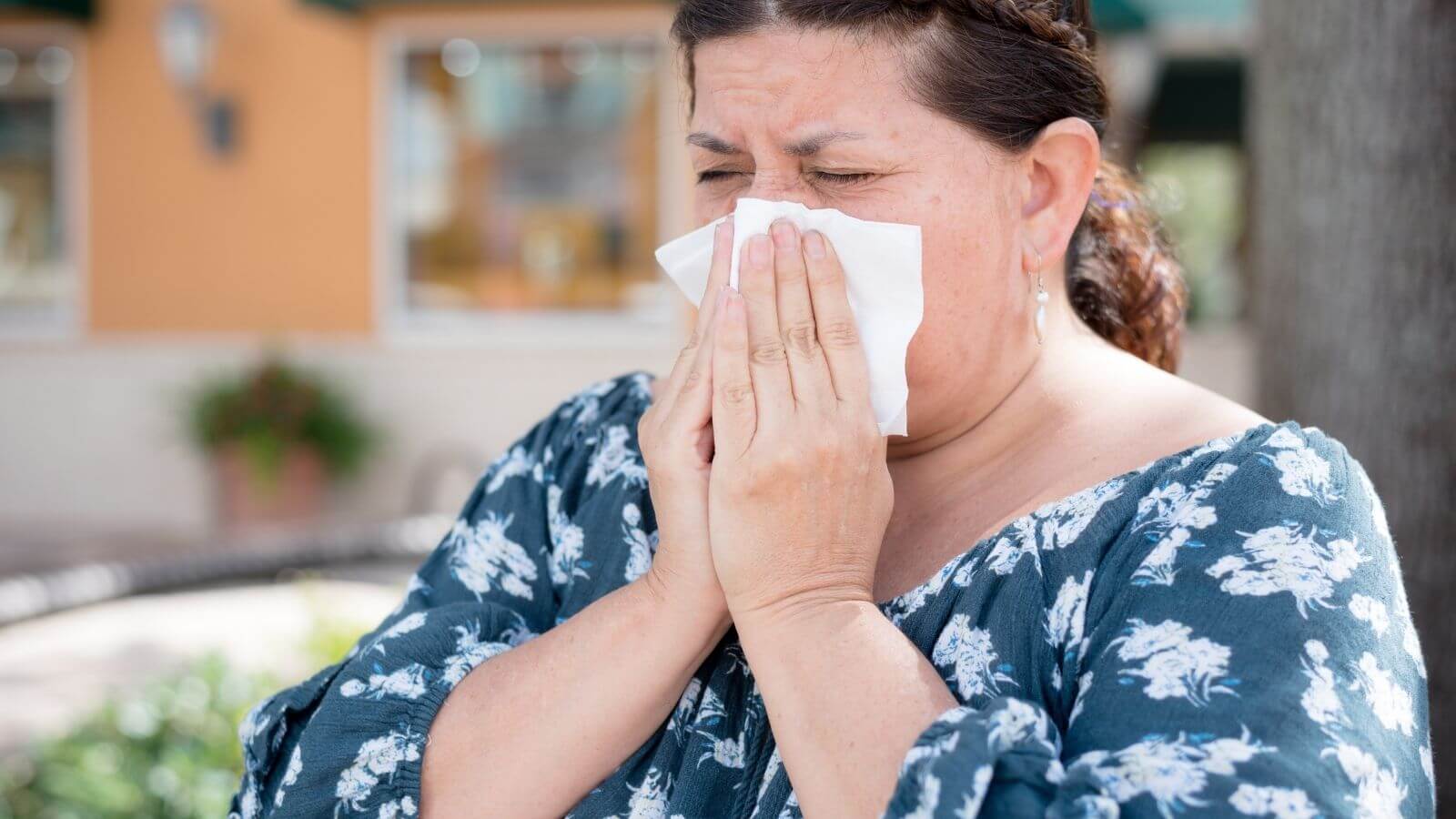
If you think allergies are all about the pollen outside, think again. Indoor...
Read More
How do I understand the Air Quality Index in Cincinnati?
indoor air quality Allergy Symptoms
If you have recently checked the weather on an app or online, you may have noticed a colorful scale rating the air quality. That’s the air quality index, and it’s an important tool that is used to avoid unhealthy air pollutants.

If you have recently checked the weather on an app or online, you may have...
Read More
Viruses and Bacteria in Indoor Air
indoor air quality

COVID and Indoor Air Quality
indoor air quality
If you recall the earliest days of coronavirus awareness, you might remember worrying more about washing your hands than wearing a mask. Back then, scientists thought that the virus was transferred mainly from surface to surface. However, as more research is conducted each week, we get a clearer and more accurate picture of how to best control this pandemic. One critical fact we’ve learned this year is how COVID-19 spreads through the air via airborne droplets from an infected person.

If you recall the earliest days of coronavirus awareness, you might remember...
Read More
My Home is Muggy
indoor air quality HVAC Humidity
Why does my house feel muggy?

Why does my house feel muggy?
Read More
Is that musty smell in my house unhealthy?
indoor air quality mold Smell HVAC
Will I get sick from a musty smell in my house? It depends on what's causing the smell. Most musty smells come from household mold, which grows in dark places with little ventilation and high humidity. That's why houses that have been shut up for a long time end up smelling musty. The mold you can smell is harmless in most cases, but if it's particularly strong, it's a good idea to get it tested by an HVAC professional. The Geiler Company can help.

Will I get sick from a musty smell in my house? It depends on what's causing...
Read More
Do HVAC filters really help air quality?
indoor air quality HVAC Filter

Does Humidity Cause Mold In A House?
indoor air quality Allergy Symptoms mold
Mold can eat or digest any surface it’s growing on; this can lead to damage to your house or any furnishings in your house. Humidity and dampness in the air of your home can generate an environment that promotes mold growth. According to the EPA, indoor relative humidity (RH), should be kept under 60%, ideally between 30-50%. This will keep your house from being an environment that is friendly to mold because it is not humid enough for their growth. Having functioning, effective humidifier and dehumidifier units in your house will hinder mold growth.

Mold can eat or digest any surface it’s growing on; this can lead to damage to...
Read More
Why can’t I stop sneezing?
indoor air quality
If you find yourself having frequent sneezing fits, especially if they’re accompanied by watery eyes, a runny nose, or a cough, then it could be a sign of excessive allergens or pollutants in your home.

If you find yourself having frequent sneezing fits, especially if they’re...
Read More
Why do I keep having nosebleeds?
indoor air quality
The inside of your nose is lined with a sensitive mucus membrane fed by lots of blood vessels. When this membrane is damaged and one of those blood vessels ruptures, this results in a nosebleed. Obvious causes are injury or trauma to the nose, but many people are unaware that home air quality and humidity levels can also play a major role in nosebleeds.

The inside of your nose is lined with a sensitive mucus membrane fed by lots of...
Read More