A bathroom sink that will not drain is more than an annoyance—it is often an early warning sign that buildup in your plumbing is starting to win. The good news is that with a few safe DIY drain cleaning steps, many Cincinnati and Northern Kentucky homeowners can get water moving again before it becomes a bigger plumbing emergency.
Bathroom sink not draining? Common causes in Cincinnati and Northern Kentucky homes
Most slow or clogged bathroom sinks start with everyday habits, not major plumbing failures.
- Hair and soap scum collect just below the stopper and in the first few feet of pipe, creating a sticky mat that traps more debris over time.
- Toothpaste, shaving cream, cosmetics, and hard water minerals coat the inside of your drain, slowly shrinking the opening until water barely trickles through.
- Floss, cotton swabs, dental picks, and small objects can lodge in the P‑trap under the sink, especially in older bathrooms.
If your bathroom sink is slow but eventually drains, the clog is usually near the top of the drain. If water just sits there and will not move, the blockage is often deeper in the trap or farther down the line—and that is where a professional drain cleaning service like Geiler comes in.
A great example: If your bathroom also smells musty or like mildew, that slow drain could be part of a bigger moisture problem tied to hidden leaks, as Geiler explains in our guide on why your bathroom smells like mildew.
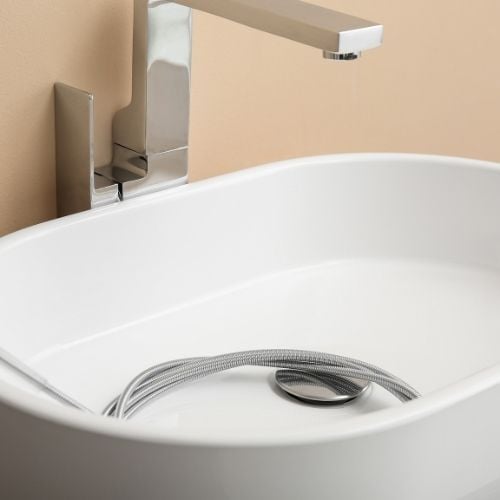
DIY drain cleaning: Safe steps to try before calling a plumber
Before you pick up the phone, there are several safe, chemical‑free ways to clear a clogged bathroom sink. Always start with the least invasive methods and work your way up.
1. Clear the stopper and visible debris
Many “mystery” clogs are only a few inches below the drain opening.
- Remove or lift the pop‑up stopper and wipe away hair, gunk, and soap scum from the stem and around the opening.
- Rinse the stopper in a bucket, reinstall it, and run water to test the drain.
This simple step is often all it takes for a bathroom sink that is draining slowly but not totally blocked.
2. Flush with hot (not boiling) water
If the sink still drains a little, a hot water flush can help melt and soften buildup.
- Let any standing water go down as far as it will.
- Run very hot tap water and slowly pour it down the drain for a few minutes.
Avoid dumping boiling water if you are not sure what type of pipes you have; extreme heat can stress some materials and seals.
3. Use a natural baking soda and vinegar drain cleaner
A classic baking soda and vinegar treatment is a homeowner‑friendly way to break up mild clogs without harsh chemicals.
- Remove standing water from the basin.
- Pour about 1/4 to 1/2 cup of baking soda straight into the drain.
- Follow with an equal amount of white vinegar and quickly plug the drain with a stopper or rag to trap the fizzing reaction in the pipe.
- Let it work for 15–30 minutes, then flush with hot water.
This method is especially useful for bathroom sink drain clogs caused by soap scum and toothpaste rather than solid objects.
4. Try plunging the bathroom sink
A sink plunger (different from a toilet plunger) can provide just enough pressure to move a stubborn clog.
- Remove the stopper and fill the sink with enough water to cover the plunger cup by about an inch.
- Block the overflow opening with a damp cloth to create a stronger seal.
- Center the plunger over the drain and plunge firmly up and down for 15–20 seconds.
- Lift the plunger and see if the water drains quickly; repeat a few times if needed.
If vigorous plunging does not improve the clog at all, that is often a sign to stop pushing and consider professional help before something backs up or bursts.
5. Use a drain snake or hair clog tool
For clogs a little deeper in the line, a small drain snake or plastic hair tool can be very effective.
- Feed the tool into the drain opening, twisting gently as you go to snag hair and debris.
- Pull the tool back out, dispose of the gunk, and then run hot water to clear remaining residue.
If you are comfortable working under the sink, you can also remove and clean the P‑trap, similar to how you might for a kitchen sink or even a dishwasher that is not draining properly, as covered in Geiler’s “Dishwasher Not Draining? What To Check Before You Call a Plumber” article.
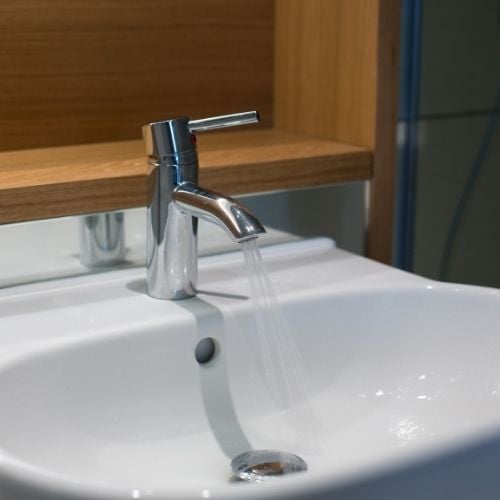
Why avoid harsh chemical drain cleaners in your bathroom
When your bathroom sink is not draining, it is tempting to reach for a bottle of heavy‑duty drain cleaner. However, there are important reasons plumbers—including the Geiler team—recommend caution.
Chemical drain cleaners can damage plumbing
Many liquid drain cleaners use very strong alkaline or acidic ingredients that generate heat.
- Over time, those chemicals can eat away at the inside of metal pipes and weaken joints, especially in older homes common around Cincinnati and Northern Kentucky.
- In plastic piping, the extra heat can soften or warp components, shortening the lifespan of your plumbing system.
A one‑time use is rarely catastrophic, but repeated chemical drain cleaning can turn simple clogs into future leaks and expensive repairs.
They create safety risks for homeowners and plumbers
If a chemical product does not clear the clog, you are left with a sink full of caustic liquid.
- Plunging or opening the trap can splash that liquid on your skin or in your eyes, causing burns.
- When you eventually call a plumber, they must work around residual chemicals in the pipe, increasing their own exposure and limiting what tools they can safely use.
For that reason, many pros prefer you skip the harsh drain opener, try mechanical options, and then call for professional drain cleaning if those do not work.
Chemical cleaners are not a fix for serious clogs
Heavy hair clogs, foreign objects, or deep blockages in your main line are usually unaffected by over‑the‑counter drain cleaners.
- Without flow, chemicals simply sit in one spot, potentially damaging that section of pipe without actually moving the clog.
- Larger, recurring drain issues often require professional equipment such as powered drain snakes, augers, or even camera inspection.
In other words, chemical cleaners are a poor substitute for a trained plumber with the right tools.
When to stop DIY and call a professional plumber
Knowing when to call a plumber for a clogged bathroom sink can save you time, money, and stress.
Your bathroom sink clog keeps coming back
If your sink drains better after DIY work but slows down again within days or weeks, you may be dealing with buildup or damage farther down the line.
Persistent clogs can signal issues in shared drain branches or vents, much like recurring toilet problems or whole‑house drain troubles, which suggest a bigger plumbing problem, as Geiler discusses in our “When to Call a Plumber” blog.
Multiple drains are slow or backing up
If your bathroom sink, tub, and maybe even nearby fixtures are draining slowly—or you notice gurgling or water backing up when you run water elsewhere—it may be a main drain issue.
These situations call for a licensed plumber with professional drain cleaning equipment, not more DIY attempts.
You see leaks, corrosion, or old pipework
Any time you see:
- Water staining or dampness in the vanity cabinet
- Rusted, corroded, or obviously aging pipes
- A musty or mildew smell that keeps returning even after cleaning
It is wise to bring in a professional to inspect for hidden leaks and structural problems.
Remember, Geiler also helps homeowners track down hidden plumbing leaks that contribute to mildew odors and moisture damage, as covered in our articles on musty bathrooms and mildew smells.
Harsh chemicals have already been used
If someone has already poured a strong drain cleaner into the sink and it did not work, stop there.
At this point, a plumber should open the system and clear the clog safely, using the appropriate protective equipment and techniques.
Professional drain cleaning: How Geiler keeps your pipes flowing
When DIY drain cleaning is not enough—or you would rather skip the hassle entirely—professional help can restore your plumbing and prevent bigger issues.
Geiler Plumbing, Heating, and Air has been a trusted name in drain and sewer service in Cincinnati, Northern Kentucky, and Southeastern Indiana since 1885. Our licensed plumbers use advanced drain cleaning equipment to handle everything from bathroom sinks and kitchen drains to main sewer lines.
With Geiler’s drain cleaning service, you can expect:
- Fast response and courteous technicians who respect your home.
- Professional diagnosis of the root cause of your bathroom sink clog, not just a quick temporary fix.
- Safe, effective cleaning methods without relying on harsh chemical drain cleaners.
Geiler’s blog library, including posts like “Dishwasher Not Draining? What To Check Before You Call a Plumber” and resources on musty bathroom smells, shows just how committed we are to helping homeowners solve problems the right way.
Ready to fix that bathroom sink that is not draining?
If your bathroom sink is still not draining after trying safe DIY methods—or you would rather let an expert handle it from the start—the team at Geiler Plumbing, Heating, and Air is ready to help.
Visit Geiler’s Drain Cleaning Page to schedule fast, reliable drain cleaning for your Cincinnati, Northern Kentucky, or Southeastern Indiana home. Do not wait for a simple bathroom sink clog to turn into a major plumbing repair—let Geiler keep your drains flowing and your home protected.