Process piping is at the heart of many industrial and commercial operations, quietly moving fluids, gases, steam, and chemicals where they need to go. While most people never see these systems, they play a critical role in safety, productivity, and product quality.
For facilities across Greater Cincinnati, Northern Kentucky, and Southeast Indiana, a reliable process piping partner can make the difference between smooth operations and costly downtime.
What Is Process Piping?
Process piping refers to the engineered piping systems that move materials used directly in production or facility operations. These materials might include chemicals, steam, compressed air, sanitary fluids, or high-purity water. Unlike standard plumbing, which focuses on water supply and drainage, process piping is designed around specific processes, operating conditions, and regulatory requirements.
In many industrial environments, process piping serves as the “circulatory system” of the plant, connecting equipment, tanks, heat exchangers, and utilities into a unified network. These systems must be carefully designed, installed, and maintained to ensure safety, reliability, and long-term performance.
Common Process Piping Applications
Process piping appears across a wide range of industries and facility types. Some of the most common applications include:
- Industrial piping systems that move chemicals, oils, solvents, and other process media between production stages.
- Steam and condensate piping that feeds boilers, heat exchangers, and temperature-controlled processes.
- Condenser water piping that supports chillers, cooling towers, and large commercial HVAC systems.
- Compressed air and pneumatic systems that power tools, actuators, valves, and automation equipment.
These systems are often integrated with mechanical and HVAC equipment, making coordination between disciplines especially important. A contractor who understands both mechanical systems and process piping can help ensure the entire plant works together as intended.
Sanitary and High-Purity Process Piping
In certain industries, process piping must meet strict sanitary or high-purity standards. These systems are designed to protect product integrity, cleanliness, and regulatory compliance.
Key examples include:
- Food and beverage process piping for dairies, bakeries, bottling plants, and breweries, where clean-in-place (CIP) practices and washdown capability are essential.
- Distillery and brewery piping systems that support mash, fermentation, transfer, and packaging while maintaining hygiene and consistent product flow.
- Pharmaceutical process piping where materials, surfaces, and joint designs help maintain clean, controlled environments.
- Reverse osmosis and high-purity water systems that deliver consistent water quality for manufacturing, lab work, or specialized cleaning processes.
In these applications, details such as material selection, weld quality, slopes, drains, and access for cleaning all matter. A sanitary process piping system isn’t just about moving fluids—it’s about protecting the safety and quality of the product itself.
Specialty Systems: Medical Gas, Oil Separators, and Energy
Beyond traditional industrial piping, many facilities rely on more specialized process systems that demand precise engineering and installation.
- Medical gas systems deliver oxygen, nitrous oxide, vacuum, and other gases in healthcare and lab environments. These systems must be installed and tested with strict attention to codes and standards, because reliability can be critical to patient care and safety.
- Oil separator piping systems help manage wastewater and protect municipal sewer systems by separating oils and grease before discharge. This can be especially important in automotive, industrial, and food-service environments.
- Energy-generating system piping supports boilers, turbines, generators, and heat recovery systems, helping facilities improve efficiency and reduce operating costs.
These specialty systems often intersect with broader mechanical, plumbing, and controls work. A contractor experienced in both process piping and mechanical systems can help coordinate equipment, controls, and piping layouts so each system performs its role effectively.
Why Process Piping Quality Matters
High-quality process piping is essential for more than just day-one performance. It directly impacts:
- Safety and regulatory compliance – Proper materials, supports, welding, testing, and documentation help protect workers, the environment, and the public.
- Operational reliability – Well-designed systems reduce leaks, failures, and unplanned downtime, which is especially important for plants running multiple shifts.
- Efficiency and energy use – Piping layouts, insulation, and control valves all influence how efficiently systems operate, from steam distribution to condenser water loops.
- Ease of maintenance and expansion – Accessible valves, thoughtful routing, and prefabricated assemblies make it easier to maintain systems and add capacity as a facility grows.
Investing in process piping upfront can pay long-term dividends in reduced maintenance costs, fewer disruptions, and better overall performance.
The Role of Prefabrication and Retrofit Work
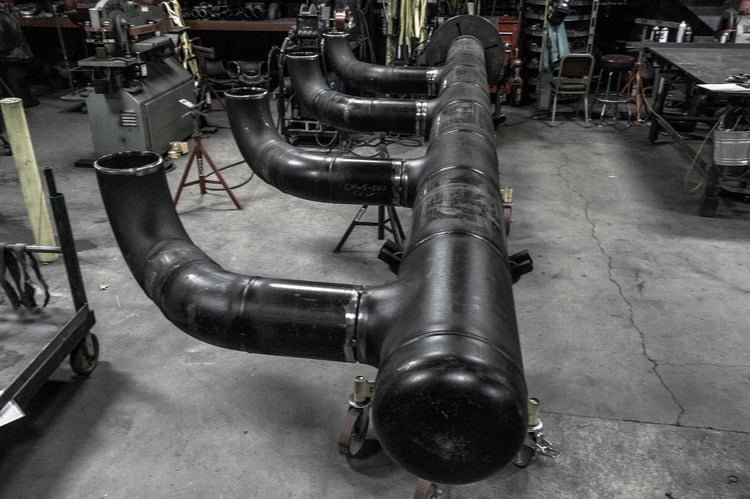
Modern process piping projects often use prefabrication to improve quality and reduce onsite disruption. Sections of piping, valve assemblies, and manifold systems can be built in a controlled environment, tested, and then installed in the field.
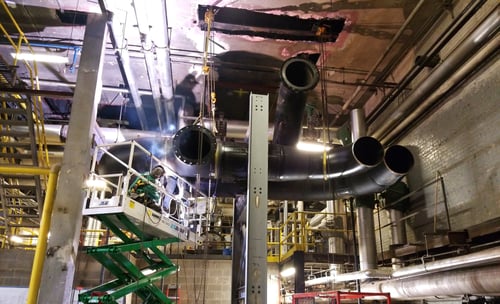
For existing facilities, retrofit and modification work may be just as important as new construction. Replacing aging lines, rerouting piping for new equipment, or upgrading materials to meet updated regulations can help extend a plant's life and support new processes without a full rebuild.
Choosing a Process Piping Partner in Cincinnati
If you operate a commercial or industrial facility in Greater Cincinnati, Northern Kentucky, or Southeast Indiana, you need a process piping partner who understands both your industry and your mechanical systems. Experience with industrial piping, sanitary systems, steam and condensate, condenser water loops, and specialty systems like medical gas or oil separators can help ensure your project is done right the first time.
The contractor you choose should be able to:
- Coordinate with your engineering team, facility staff, and other trades.
- Provide fabrication, installation, and testing services.
- Support retrofit projects with minimal disruption to ongoing operations.
- Stand behind their work with service, repair, and maintenance support.
For many facilities, a long-term relationship with a trusted mechanical contractor is just as important as the initial installation.
Learn More About Geiler’s Process Piping Services
Process piping is too important to leave to guesswork. Whether you’re planning a new system, upgrading an existing line, or exploring sanitary or high-purity applications, it pays to work with an experienced team that understands industrial and commercial environments.
To learn more about process piping services, specialty piping capabilities, and how these systems can support your facility, visit Geiler’s dedicated process piping page:
Process Piping – The Geiler Company
From fabrication and installation to retrofit work and mechanical system support, Geiler is ready to help you build process piping systems that support safety, reliability, and long-term performance.