
If your bathroom smells musty no matter how often you clean, you’re not alone. A lingering mildew odor is more than just unpleasant—it can be an early warning sign of hidden plumbing leaks behind walls, under floors, or around fixtures.
In homes across Cincinnati and Northern Kentucky, these slow, concealed leaks are a common cause of stubborn bathroom odors and moisture problems.
In this post, we’ll walk through how hidden water leaks feed mildew and mold growth, the most common plumbing issues behind that musty smell, and when it’s time to call a professional plumber instead of fighting it with candles and cleaners.
Why Bathrooms Smell Like Mildew (Even After You Clean)
Bathrooms are naturally humid spaces thanks to hot showers, steam, and limited ventilation. When you add a source of constant moisture—like a small leak in a pipe, faucet, or drain—you create the perfect environment for mildew and mold to thrive on grout, caulk, drywall, and wood surfaces.
Common reasons your bathroom smells like mildew include:
- Lingering moisture from poor ventilation after showers
- Damp towels or bathmats that never fully dry
- Small water leaks around toilets, sinks, and tubs
- Condensation on cold water lines or toilet tanks
- Hidden plumbing leaks inside the walls or under the floor
You can read more about everyday mildew sources and quick fixes in “Top Reasons Your Bathroom Smells Like Mildew—And Quick Fixes” on our blog, which covers basic cleaning and ventilation tips for musty bathrooms.
How Hidden Plumbing Leaks Make Mildew Worse
A hidden plumbing leak doesn’t always show up as a large puddle of water. Instead, it can slowly saturate drywall, subflooring, and framing behind the scenes.
That trapped moisture becomes a constant fuel source for mildew and mold spores.
Here’s how concealed leaks worsen bathroom mildew:
- Continuous dampness
Even a pinhole leak in a water supply line can keep surrounding materials damp 24/7, so mildew never dries out or dies off. - Dark, enclosed spaces
Behind-the-wall leaks occur in dark voids with little air movement, which is an ideal environment for mold and musty odors to develop. - Warm temperatures
Warm bathrooms combined with slow leaks accelerate mold and mildew growth, especially around tub and shower surrounds. - Spread of odor
Once mildew takes hold behind the wall, odors can seep through outlets, gaps, and fixtures, making the entire bathroom smell musty.
If you feel like you’re “chasing” the smell and it keeps coming back after cleaning, a hidden water leak is often the missing piece of the puzzle.
Common Hidden Leak Sources Behind Musty Bathroom Odors
Not all leaks are obvious. Some stay out of sight for months or even years. Here are some of the most common plumbing leak sources that can feed mildew in your bathroom:
- Shower and tub plumbing
- Leaks in the shower valve inside the wall
- Loose or deteriorated caulk around the tub or shower pan
- Cracked grout lines that allow water to seep into the wall or floor
- Toilet leaks
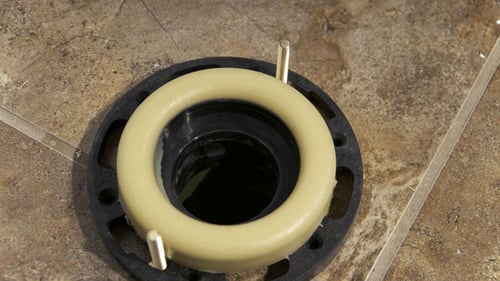
- A failing wax ring is letting water escape at the base of the toilet
- Slow supply line leaks or shutoff valve seepage
- Condensation, “sweating” on the tank that drips onto the floor regularly
- Sink and vanity leaks
- Drips from faucet connections under the sink
- Loose P-trap or drain fittings are leaking into the vanity cabinet
- Supply line leaks behind or below the vanity
- Behind-the-wall pipe leaks
- Corroded copper pipes or fittings
- Loose joints in PVC or PEX lines
- Old or poorly installed plumbing from previous renovations
- Exhaust fan and ceiling issues
- Ductwork that vents into the attic instead of outdoors, trapping moisture
- Roof or flashing leaks are showing up as musty bathroom ceilings
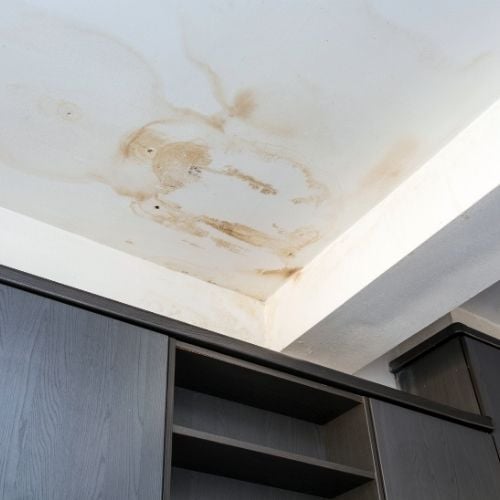
These problems may start small, but over time they can lead to soft drywall, stained ceilings, peeling paint, and that telltale mildew smell that never quite goes away.
Signs You May Have a Hidden Leak (Not Just Humidity)
A damp, stuffy bathroom after a hot shower is normal for a short time. But if the room never really dries out or always smells “off,” it’s worth looking closer for leak warning signs. Keep an eye out for:
- Persistent mildew smell even after deep cleaning
- Visible mold or mildew on walls, ceilings, or caulk that keeps returning
- Peeling paint, bubbling drywall, or soft spots on the wall
- Discolored or stained ceilings beneath upstairs bathrooms
- Warped or spongy flooring around the tub, shower, or toilet
- Higher-than-normal water bills without explanation
- The sound of trickling water when fixtures are off
If you’re not sure whether the problem is just ventilation or something more serious, our article “When to Call a Plumber” is a great resource—it explains when DIY solutions are fine and when you should bring in a licensed professional.
Why DIY Fixes Often Aren’t Enough for Musty Bathrooms
Cleaning with bleach, scrubbing grout, or using air fresheners can temporarily mask odors, but they rarely address mildew caused by plumbing leaks. That’s because they only treat what you can see on the surface, not the moisture feeding the problem behind the wall.
Challenges with DIY-only approaches include:
- No access to hidden areas where leaks start
- Inability to pressure-test or inspect plumbing lines properly
- Short-term odor control without addressing water damage
- Risk of covering mold with paint instead of removing it safely
A professional plumber can use leak-detection methods, moisture meters, and visual inspections to locate the source of the problem and prevent further damage to your home.
How Professional Leak Detection and Repair Helps
Working with an experienced plumbing team is the most effective way to stop mildew at the source. Here’s how professional leak service helps restore a dry, fresh-smelling bathroom:
- Thorough inspection
A plumber checks all visible fixtures and supply lines, and evaluates walls, floors, and ceilings for signs of leakage and moisture intrusion. - Targeted leak detection
Depending on the situation, they may use specialized tools and testing methods to pinpoint leaks behind walls or under floors with minimal damage. - Expert repairs
Once the leak is located, the plumber repairs or replaces damaged pipes, valves, supply lines, or seals to stop unwanted water flow. - Prevention recommendations
Your plumber can suggest improvements like better ventilation, updated fixtures, or upgraded materials to reduce future moisture problems.
Stopping the leak and allowing affected areas to dry out is the key first step in eliminating mildew and protecting your bathroom from long-term water damage.
Protect Your Bathroom From Mildew and Water Damage
If your bathroom smells like mildew and you’re constantly fighting musty odors, it’s time to consider what might be happening behind the walls and under the floor. Hidden plumbing leaks don’t just create unpleasant smells—they can lead to costly structural damage and unhealthy mold growth if left unaddressed.
If you suspect a hidden leak behind that musty smell, schedule professional leak repair today.

For more tips on tackling bathroom odors, be sure to check out:
- “Top Reasons Your Bathroom Smells Like Mildew—And Quick Fixes” for practical cleaning and ventilation strategies
- “When to Call a Plumber” to help you decide when it’s time to bring in a professional