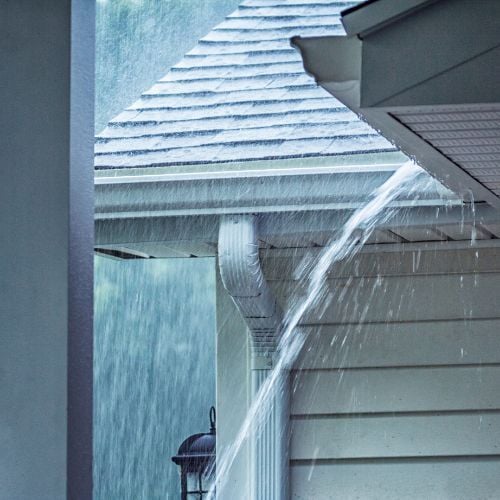
For many homeowners, the sump pump is one of those “set and forget” systems—until it fails during a heavy rainstorm. When that happens, a wet basement, water‑damaged belongings, and even structural issues can follow.
A sump pump is a crucial part of your home’s water management system, especially in regions with high water tables, frequent storms, or basements below grade.
Understanding what it does and how to maintain it can help you avoid costly water damage and keep your home safe and dry year after year.
The Role of a Basement Sump Pump
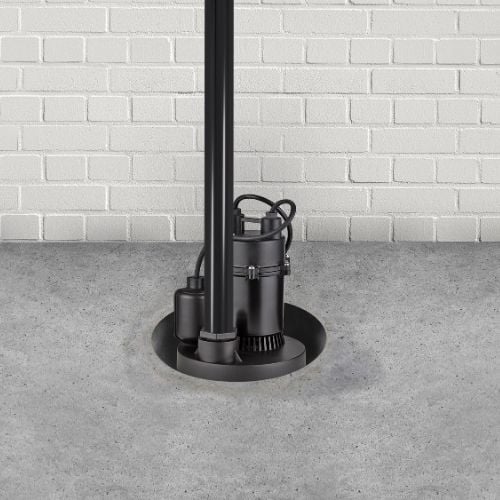
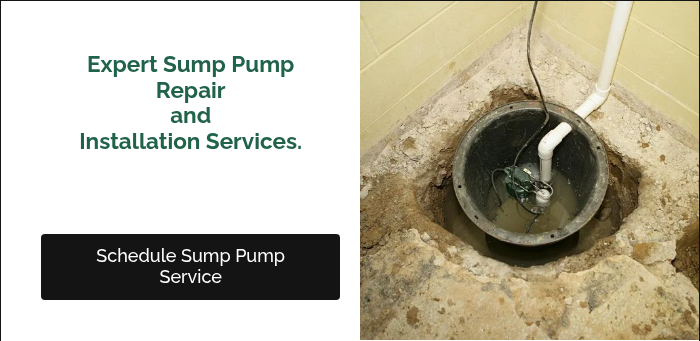
A sump pump is designed to protect your home from water accumulation in the lowest areas, such as the basement or crawlspace. It sits in a sump pit, usually dug into the concrete floor, and automatically removes water that collects from perimeter drains, groundwater seepage, or storm runoff.
When the water level in the pit rises, a float switch activates the pump, which then discharges the water through a discharge pipe and away from your foundation. This process helps prevent flooding, reduces moisture buildup, and supports overall basement waterproofing.
There are two common types: submersible pumps, which sit inside the sump pit and are often quieter, and pedestal pumps, which rest above the pit and may be easier to service.
Whichever type your home uses, the goal is the same—keeping excess water out of your living space and protecting your foundation from hydrostatic pressure and long‑term moisture damage.
How a Sump Pump Protects Your Home
By removing water before it reaches dangerous levels, a sump pump acts as a first line of defense against basement flooding. It helps manage groundwater pressure around the foundation, reducing the risk of cracks, efflorescence, and mold growth.
In areas with frequent heavy rain or spring thaws, a working sump pump can mean the difference between a dry basement and a water‑damaged space.
Beyond flood prevention, proper water removal also supports better indoor air quality. A consistently dry basement is less hospitable to mold, mildew, and musty odors, which can contribute to respiratory issues and discomfort.
When the sump pump works in tandem with your home’s drainage system, you get cleaner floors, protected stored items, and a more stable indoor environment.
Why Sump Pump Maintenance Matters
Even the most reliable sump pump can fail if it’s neglected. Over time, debris can clog the intake, sediment can build up in the pit, and mechanical components can wear out.
A stuck float switch, blocked discharge line, or frozen pipe can leave you without protection when you need it most. Regular maintenance helps catch minor issues before they become major problems, ensuring your pump is ready to handle heavy storms, snowmelt, and seasonal spikes in groundwater levels.
Scheduled care also extends the pump's life and can prevent costly water-damage repairs. Homeowners who perform simple checks and routine upkeep often find that their sump pump lasts longer, runs more efficiently, and delivers peace of mind during wet weather.
Monthly Sump Pump Care Routine
Establishing a monthly routine is one of the easiest ways to keep your sump pump in good condition. Start with a visual inspection: look for rust, loose wiring, or visible damage to the pump and housing.
Clear any debris, leaves, or small objects from the sump pit and clean the intake screen to prevent clogs. If the basin is very dirty, carefully remove standing water and rinse it out, taking care not to damage the pump or float switch.
Next, perform a simple operational test. Pour clean water into the sump pit until the float switch activates, and the pump starts. Watch how quickly it responds, listen for unusual noises, and confirm that it shuts off when the water level drops.
This quick test helps verify that the float switch and motor are functioning correctly and gives you confidence that the system will work when called upon.
Seasonal Checks and Discharge Line Care
In addition to monthly inspections, seasonal checks are important for long‑term performance. Examine the discharge pipe that carries water away from your home. Make sure it’s free of obstructions, kinks, or ice buildup, especially in colder months.
Ensure the outlet is directing water far enough from the foundation—typically several feet away—so it doesn’t seep back into the soil near your basement walls.
Also, review the check valve on the discharge line. This small component prevents water from flowing back into the sump pit after the pump shuts off. If the valve is worn or stuck, it can cause the pump to cycle more frequently or fail to maintain proper water levels.
Similarly, inspect electrical connections, including the cord, plug, and GFCI outlet, looking for fraying, corrosion, or signs of overheating.
Annual Professional Service
Once a year, it’s wise to schedule a professional inspection of your sump pump system. A qualified technician can evaluate the motor, test flow rates, and inspect the entire installation for signs of wear or inefficiency.
They may also clean the pit more thoroughly, check the float switch alignment, and ensure the discharge line is properly sloped and secured.
If your home has a backup sump pump or battery‑powered system, an annual service is a good time to test the secondary unit.
These backup systems are especially valuable during power outages, which often occur during the storms that bring heavy rain.
A professional can confirm that the backup kicks in when needed and that the battery is charged and in good condition.
Warning Signs Your Sump Pump Needs Help
Even with regular maintenance, some issues may still arise. Be on the lookout for these red flags:
- Loud or unusual noises, such as grinding, rattling, or constant humming without pumping.
- Frequent cycling or short cycling, where the pump turns on and off repeatedly.
- Failure to start when the water level rises, or water backing up into the basement.
- Visible leaks around the pump, pit, or discharge line, or a constantly full sump pit.
If you notice any of these symptoms, it’s important to address them promptly. A failing sump pump may require repair or replacement, and delaying service can increase the risk of water damage.
How Geiler Supports Your Home’s Water Protection
For homeowners in the Cincinnati, Northern Kentucky, and Southeastern Indiana areas, Geiler Plumbing, Heating & Air offers professional sump pump installation, repair, and ongoing maintenance.
Whether you need a new primary pump, a backup system, or a routine inspection before storm season, their team can help ensure your basement stays dry and your foundation remains protected.
Geiler’s services include:
- Installing and sizing sump pumps for your specific home and water conditions.
- Repairing or replacing malfunctioning pumps and components.
- Performing annual maintenance and system checks to keep everything running smoothly.
If you want to keep your basement dry and your home protected from water damage, schedule a sump pump inspection or service with Geiler today. Visit https://www.geiler.com/sump-pump-service-repair-installation to learn more about sump pump solutions and book an appointment with a trusted local professional.